

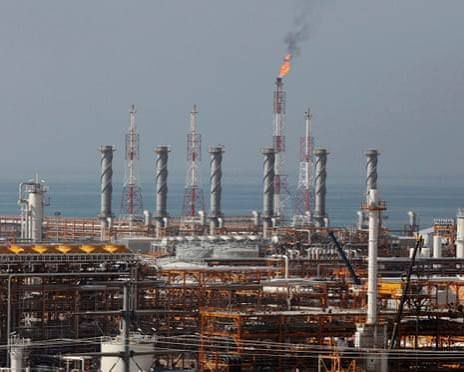
Iran struck energy facilities across Qatar, the UAE, Saudi Arabia, Kuwait, and Bahrain early Thursday in retaliation for Israel’s attack on its South Pars gasfield and the killing of Intelligence Minister Esmail Khatib, escalating the US-Israel conflict with Tehran that began February 28 into a perilous new phase threatening global supplies.
Qatar’s Ras Laffan LNG complex, world’s second-largest exporter, suffered three fires and heavy damage from ballistic missiles, though contained without casualties; Doha expelled Iranian attaches as persona non grata and decried the “irresponsible” hit as a direct security threat.
US President Donald Trump distanced America from Israel’s “violent” South Pars strike off Bushehr province, denying involvement, but posted threats to “massively blow up the entirety” if Qatar faces repeats, wary of Iran’s future. Iranian Foreign Minister Abbas Araghchi vowed “ZERO restraint” on X, saying the response tapped just a “FRACTION” of power out of de-escalation respect, while urging regional coordination with Turkish, Egyptian, and Pakistani peers.
UAE shut Habshan gas and Bab oilfield after debris from intercepted missiles; Saudi Arabia downed four Riyadh-bound ballistic missiles and an eastern gas drone, now facing direct capital strikes. IRGC’s Khatam al-Anbiya warned of unfinished business, promising total destruction of enemy infrastructure if provoked again.
Saudi Foreign Minister Faisal bin Farhan signalled “military actions if necessary” to a 12-Muslim nation summit, pressing Iran to “recalculate” amid thin patience; Qatar’s Emir Tamim alerted France’s Macron to energy-endangering escalation. Al Jazeera’s Dubai correspondent Zein Basravi noted shattered diplomacy testing Doha’s dialogue push, as Georgetown’s Mehran Kamrava highlighted Gulf states’ bind, counter aggression or risk Trump abandonment. Israel’s Defense Minister Israel Katz teased leadership “decapitation” surprises; UKMTO reported a vessel hit near Ras Laffan.