

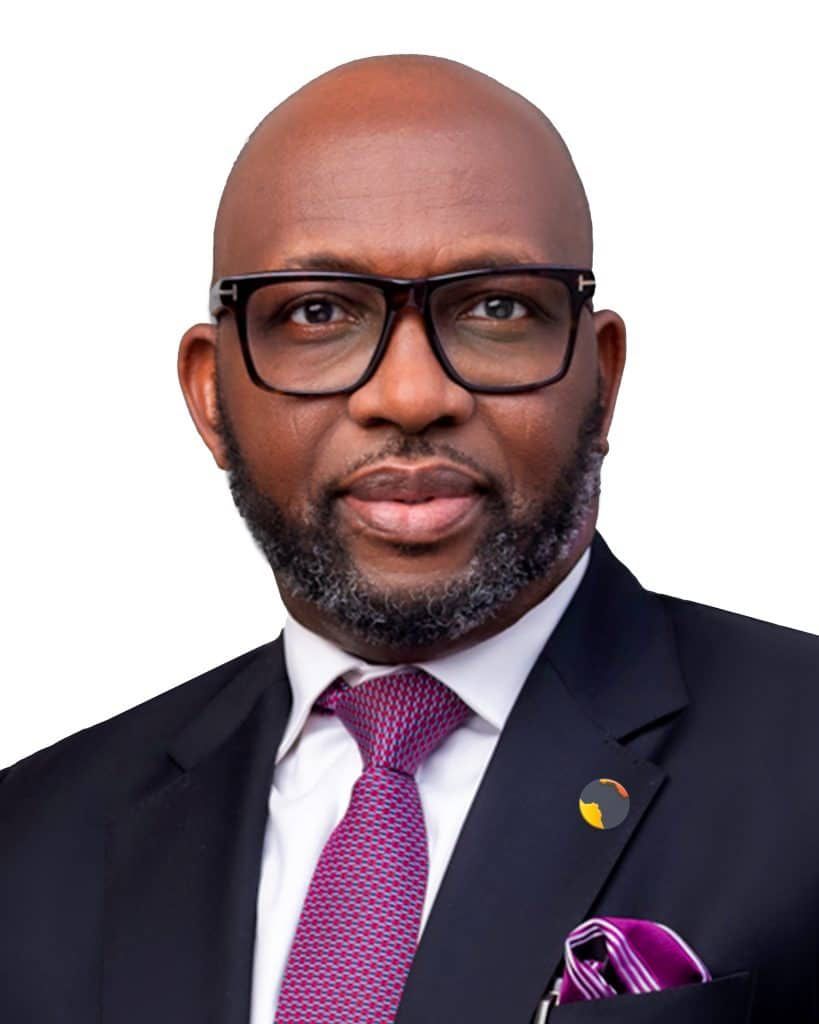
Local oil and gas companies in Nigeria are increasingly stepping up production, creating jobs and mobilizing resources to sustain operations, says Engr. Tony Attah, Managing Director of Renaissance Africa Energy Company Limited. Speaking at the Nigerian Content Academy Lecture, Attah noted that Nigerian independents have become more resilient and better funded, successfully acquiring and operating fields divested by international oil companies (IOCs).
Attah projected that within the next decade, many indigenous operators will consolidate into strategic consortiums, with roughly five major Nigerian independent oil companies expected to emerge. He pointed out that over half of Nigeria’s crude oil production now comes from independents, underscoring the shift from IOC‑dominated legacy basins to a more diversified local‑led landscape. “Renaissance is here, Seplat is here,” he said. “The consolidation will have to be among the others to create the other three or five.”
He cited the successful formation of Renaissance Energy, a consortium of four Nigerian companies, ND Western Limited, Aradel Energy Limited, Waltersmith Petroleum Development Company Limited, and First Exploration and Petroleum Development Limited, along with the international partner, Petrolin Trading Limited. He attributed the deal’s success to strong collaboration, ambition, and persistence across the founding partners.
Engr. Attah, a former Managing Director of Nigeria LNG Limited and SNEPCo, outlined viable funding mechanisms for African energy players, including capital markets listing, private equity and Eurobonds, strategic partnerships/joint ventures, IOC carry arrangements, prepayment/offtake financing, and bank facilities. He emphasized the importance of “bankability,” listing proven reserves, clear financial covenants, good governance, stable production, hedging against price swings, operator track record, and strong HSE and operational performance as key criteria.
He introduced an operational “ABC” mantra, Ambition, Belief, and Courage, as a mindset to tackle funding gaps, stressing that “finding a solution to funding gaps is a big opportunity in itself.” He warned indigenous players against weak business models, over‑reliance on projected profits, and fragile balance sheets, insisting that “without structure, governance, and ambition, nobody will finance you.”
Attah welcomed the emergence of the African Energy Bank backed by APPO and Afreximbank, with NCDMB as a key financier, but called for more similar institutions, noting the bank’s current capital is still below the continent’s funding needs. He described local content in Nigeria as “no longer a policy aspiration; it is a capital execution challenge,” urging indigenous firms to embrace the ABC mindset and ensure newly acquired assets are adequately funded so they can deliver value. “Capital follows value,” he said. “You need the mindset of creating value; money will come.”
During the Q&A, he addressed concerns about independents owing vendors, advising operators to fulfill their contractual obligations and guard against actions that damage their brand. On the continued reliance on retired professionals, he attributed the trend to a global shift in youth interest toward AI and robotics, which has reduced the pool of technically skilled manpower in the sector.
Earlier, the Nigerian Content Academy’s General Manager, Ms. Doris Opuwari, said funding constraints have long hindered indigenous growth, expressing confidence that Attah’s insights would chart a way forward. The NCDMB’s Dr. Abdulmalik Halilu, in closing remarks, praised Attah’s comprehensive presentation and thanked the nearly 200 participants for their engagement.