

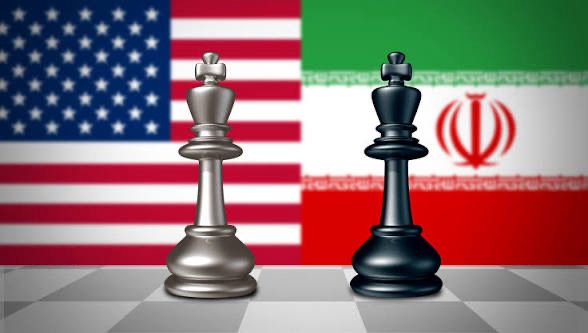
Four days into the latest round of peace talks in Islamabad, the United States and Iran have failed to reach a permanent deal to end their six‑week‑old war, leaving the fragile ceasefire on shaky ground. The 21‑hour negotiations concluded on Sunday with both sides blaming each other for the stalemate, raising fears of a return to open hostilities.
Vice President JD Vance, who led the US delegation, said no agreement had been reached and bluntly declared it “bad news for Iran much more than it is for the United States.” Still, he left Pakistan with what he described as a “final and best offer” and said President Donald Trump had been closely involved throughout the talks, as had senior officials including the Secretary of State, Treasury Secretary, and the head of the US Central Command. Vance insisted the US was negotiating in good faith, with Special Envoys Steve Witkoff and Jared Kushner at his side.
In Tehran, authorities downplayed expectations, saying no one had anticipated a breakthrough in a single session. Foreign Ministry spokesperson Esmaeil Baghaei told state broadcaster IRIB that the talks were always meant to be a starting point, not a one‑shot solution. Meanwhile, residents of Iran’s war‑torn cities described a mix of scepticism and cautious hope, weeks after relentless air attacks that have killed more than 2,000 people and devastated large parts of the country.
US officials signalled that Washington’s core demands remain unchanged: ending Iran’s pathway to nuclear weapons capability and rolling back key elements of its military infrastructure. Professor David Des Roches of the Thayer Marshall Institute told Al Jazeera that the Islamabad talks helped clarify US red lines but did not represent a shift in position. Trump, speaking during the negotiations, claimed US forces had already “won” on the battlefield, citing the elimination of senior Iranian leaders and the destruction of critical military sites.
On the maritime front, the US military said two warships transited the Strait of Hormuz ahead of planned mine‑clearing operations, the first such move since the conflict began, though Iranian state media disputed the report. The reopening of the Strait, even partially, is seen as a crucial step toward stabilising global oil and gas markets after weeks of price spikes linked to disruption in the waterway.
In the wider region, the conflict has spilled into Lebanon, where Israel continues airstrikes across the south despite a fragile de‑escalation climate. The Lebanese Ministry of Public Health says more than 2,020 people have been killed and over 6,400 wounded since early March. Protests erupted in Beirut and elsewhere against the prospect of direct talks between Lebanon and Israel, while reports from the ground suggest that, for many residents in the south, daily life under bombardment has changed little. Israeli media reported that a drone launched from Lebanon triggered air‑raid sirens in the Upper Galilee before being intercepted.
As the war enters its 44th day, the world is watching Islamabad to see whether shuttle diplomacy and US pressure can translate into a durable ceasefire, or whether the US–Iran standoff will harden into a longer, more entrenched crisis with cascading regional consequences.