

The Federal Government has announced a comprehensive national strategy to reverse the long-standing imbalance in cargo distribution between Lagos ports and underutilised eastern ports, describing the initiative as a critical economic imperative for reducing logistic costs and strengthening Nigeria’s competitiveness as a West African maritime hub.
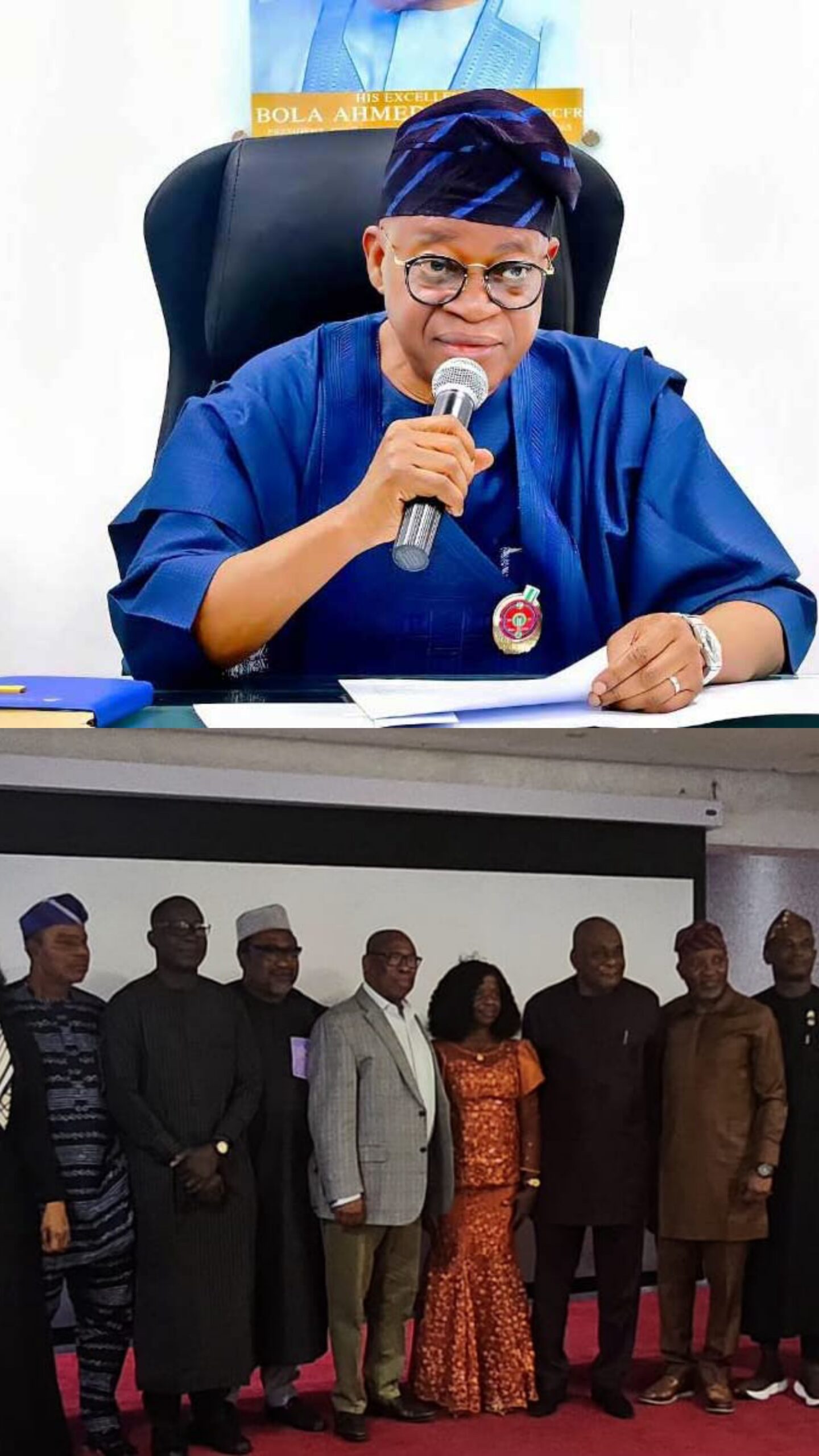
The Minister of Marine and Blue Economy, His Excellency Adewola Oyentola, disclosed the plan while delivering a keynote address at the General Meeting and Conference of the League of Maritime Editors in Lagos, where he outlined a multi-pronged reform agenda aimed at creating a balanced, efficient and interconnected national port system.
Speaking at the event, the Minister said the heavy concentration of vessels and cargo traffic at Lagos ports, particularly Apapa and Tin Can Island, while eastern ports such as Onne, Warri, Koko and Calabar remain relatively underutilised, has profound implications for national logistic costs, regional economic development, infrastructure efficiency, investment and the overall competitiveness of Nigeria’s maritime sector.
“For decades, Lagos ports have handled overwhelmingly the proportion of Nigeria’s seaborne cargo traffic. This is understandable, given their historical importance and the concentration of commercial activities around Lagos. However, the effect of this has plagued our ports and their operating infrastructure. We are all familiar with the consequences: congestion, long cargo dwell and vessel turnaround times, increased demurrage and logistic costs, pressure on our road infrastructure, environmental challenges and inefficiencies throughout the supply chain,” Oyentola said.
He noted that the eastern ports, by virtue of their proximity to major industrial, agricultural, energy and commercial activities in the southeast and north-central zones, have considerable strategic and economic potentials to serve significant portions of Nigeria’s hinterland, support regional industrial clusters, facilitate exports, promote agro-allied value chains and stimulate economic activities across the eastern and Niger Delta regions.
However, the Minister acknowledged that this potential has not yet been realised due to challenges relating to draft limitations, infrastructure conditions, navigational constraints, security concerns, hinterland connectivity, equipment, operational costs and the predictability of services.
“Reversing this imbalance is therefore not a regional demand, it is a national economic imperative. Under the Renewed Hope Agenda of His Excellency President Bola Ahmed Tinubu, GCFR, the federal government has adopted a deliberate and strategic approach to transforming Nigeria’s maritime infrastructure and positioning the sector as a stronger driver of economic growth,” he stated.
The Minister said the modernization and rehabilitation of eastern ports are integral parts of the federal government’s port development strategies, with the objective of addressing the infrastructure and operational constraints that have historically limited the competitiveness of these ports.
“This includes improving channel depths and navigability, rehabilitating critical infrastructure, enhancing navigational safety, upgrading cargo handling facilities, strengthening security and improving the overall operating environment for shipping lines, terminal operators and cargo owners,” he said.
He explained that the reconstruction of breakwaters and channel management integrations, including works along the Escravos channel, together with new investment by private terminal operators, are important elements of this broader effort. Government is also encouraging greater private sector participation in port development because the scale of investment required cannot and should not be borne by government alone.
“Our objective in this regard is straightforward: to make every viable Nigerian port capable of competing for cargo on the basis of efficiency, reliability, cost and quality of service,” Oyentola said.
Addressing why major physical modernization activities are currently receiving particular attention at western ports, especially Apapa and Tin Can Island, the Minister gave four reasons.
First, the scale of existing pressure: Lagos remains Nigeria’s principal maritime gateway and currently handles the largest concentration of import and export cargo. Consequently, inefficiencies at the Lagos port have a disproportionate impact on the national economy. Congestion, delays and infrastructure constraints at these ports translate directly into increased logistic costs for businesses and consumers across the country. Addressing the most heavily utilised and most severely pressured infrastructure therefore offers the quickest opportunity to reduce systemic inefficiencies and deliver immediate economic benefits to the nation.
Second, the need to protect continuity of national trade: Port modernization cannot be undertaken without taking into account the need to keep trade moving.