

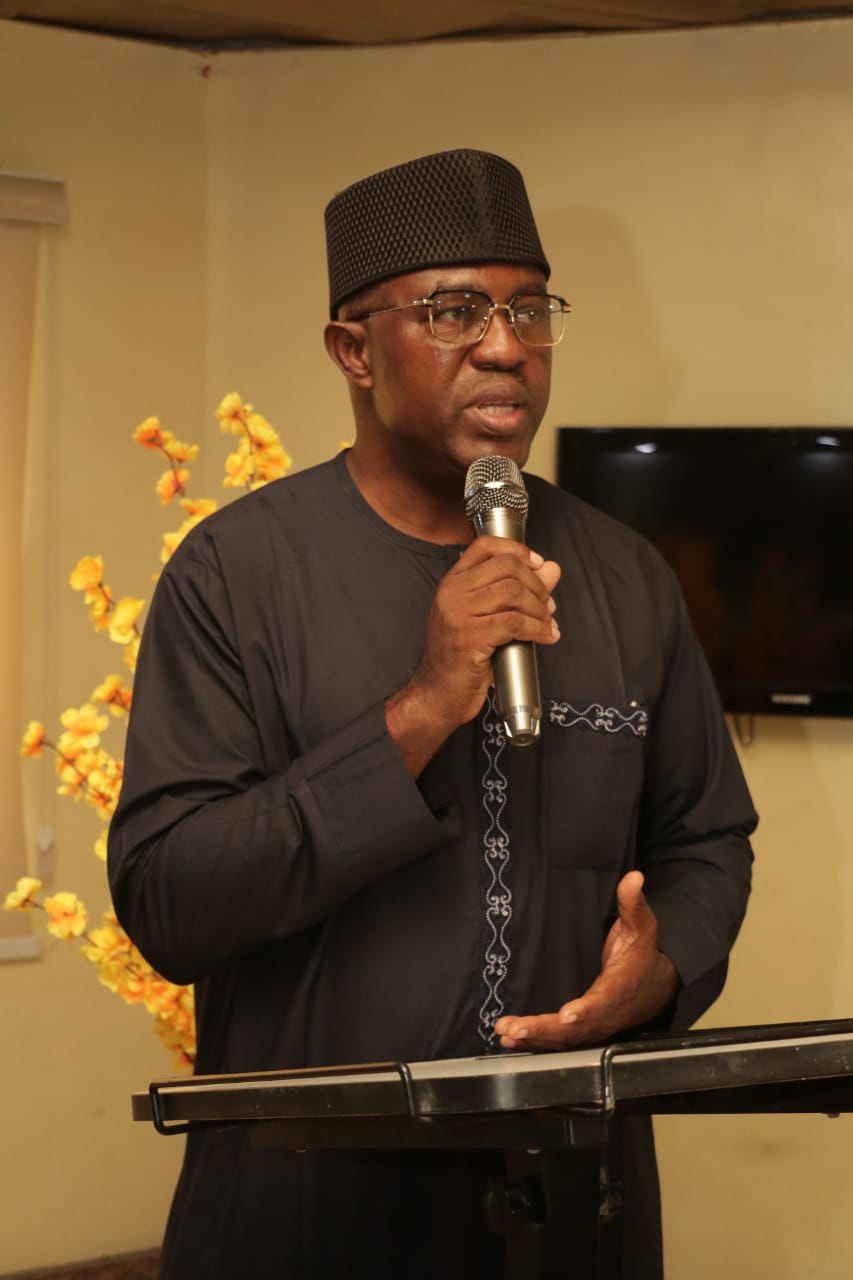
The Publisher of JournalNG_, a widely read maritime magazine, and Convener of the JournalNG_ Port Industry Town Hall Meeting, Ismail Aniemu, has called for the adoption of a smart port regime in Nigeria to improve efficiency, reduce bottlenecks, and unlock new employment opportunities in the maritime sector.
He made the appeal at the 6th edition of the _JournalNG_ Port Industry Town Hall Meeting in Apapa, themed _“Towards a Regime of Smart Ports in Nigeria where stakeholders examined how technology can modernize port operations.
Aniemu described smart ports as the future of global port operations, driven by robotics, artificial intelligence, and digital platforms that minimize manual intervention and speed up cargo handling. He argued that a tech-driven system would cut delays linked to manual processes, enhance transparency, and improve productivity across the maritime value chain, from cargo clearance to last-mile logistics.
Addressing concerns from labor unions about job losses, Aniemu dismissed fears that automation would shrink employment. “When we talk about smart ports, unions often think workers will lose their jobs,” he said. “No. If we migrate to a smart port system, it will create more jobs — for smart people, data analysts, automation technicians, and digital-literate professionals.” He noted that Nigerian professionals, including those trained locally, have excelled abroad and can equally thrive in a technology-driven port environment.
Aniemu also pointed to existing enablers such as 24-hour financial transactions and the groundwork laid at the previous town hall for a round-the-clock port system. He observed that banks already operate digitally at all hours and asked why agencies like Customs, NDLEA, NAFDAC, and other regulators cannot run night shifts if the political will exists. “If payments can be made and received at any hour, cargo examination and clearance can also happen at night,” he said, stressing that the critical gap is not just hardware but the mindset of operators.
The meeting drew executives, regulators, and port operators who discussed how digital tools, port community systems, and intelligent data platforms can bring Nigeria’s ports closer to global standards. Industry observers say a full smart port transition could position Nigeria as a leading maritime hub in West Africa, cut clearance times, and significantly improve the ease of doing business at the country’s seaport