

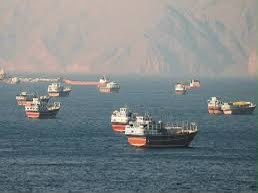
The Baltic and International Maritime Council (BIMCO) has urged the United States and Iran to reach a clear and unambiguous arrangement on maritime traffic through the Strait of Hormuz after a reported attack on a crude-carrying vessel disrupted shipping plans in the region.
The shipping association said the incident has set back efforts to evacuate vessels and resume normal transits through the strait, although some movements are still expected to continue. BIMCO’s chief safety and security officer, Jakob Larsen, said the situation shows the need for a clearly defined agreement between Washington and Tehran to guide the reopening of maritime traffic.
The call came after Iran’s deputy foreign minister, Kazem Gharibabadi, said safe passage through the strait could not be guaranteed without coordination with Tehran. The warning followed an attack on a Taiwan-operated ship, which prompted the U.N. shipping agency to pause a voluntary evacuation scheme for stranded vessels and seafarers in the Gulf.
Despite the tension, shipping data showed that some tankers still moved through the waterway on Friday. These included crude carriers entering the Gulf to load oil, as well as supertankers loading Iranian crude and another vessel exiting the strait with 2 million barrels of oil.
The disruption comes at a time when crude prices are falling and Saudi Arabia has resumed loadings in the Gulf, easing supply concerns in the market. Before the conflict, the Strait of Hormuz handled about 125 ships a day, but traffic has yet to return to normal levels.