

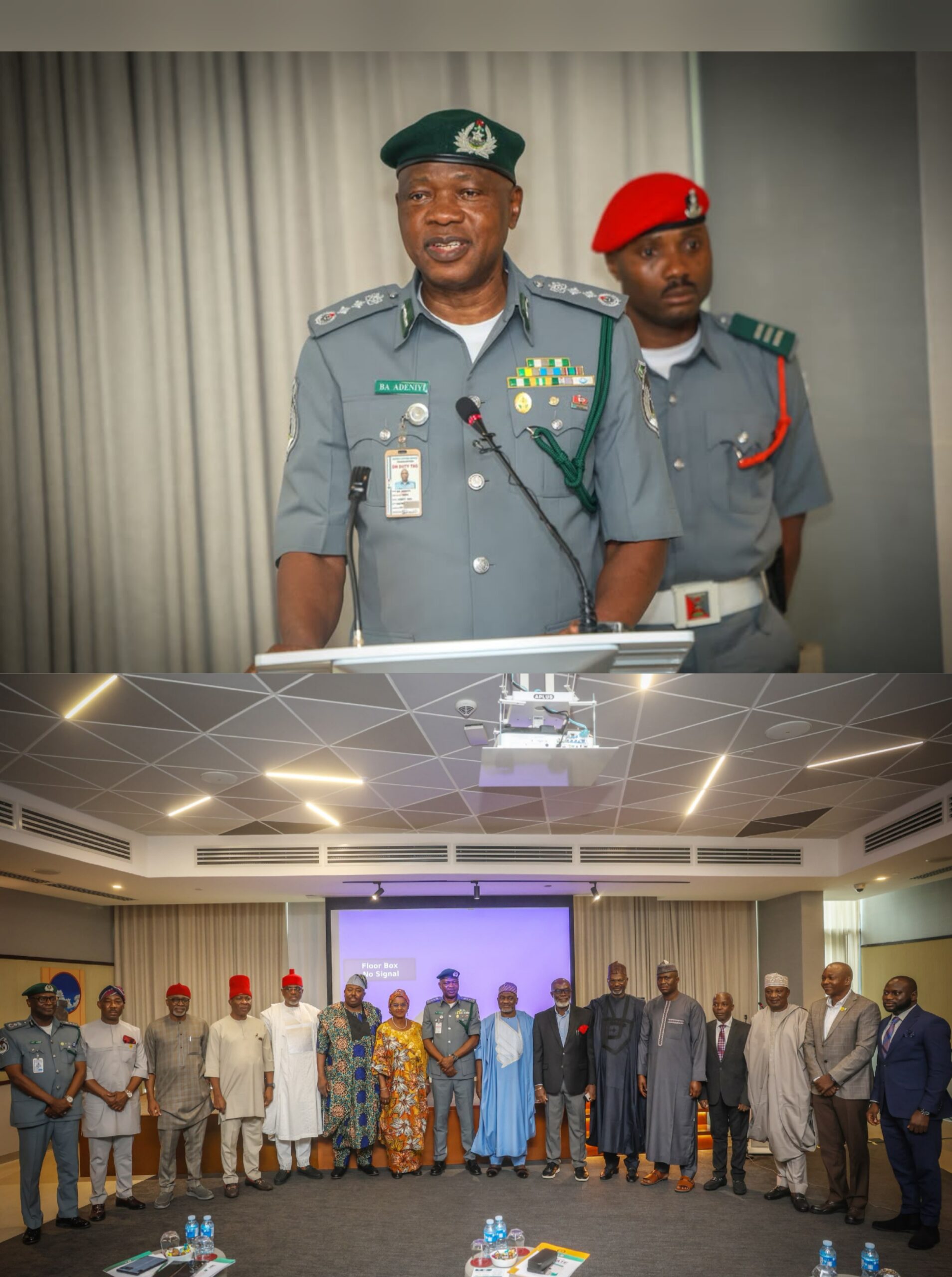
The Nigeria Customs Service (NCS) has asked the Senate Committee on Customs, Excise and Tariffs to support changes to the legal framework governing customs administration as the Service moves from manual processes to a technology-driven operating model.
Comptroller-General of Customs Bashir Adewale Adeniyi made the request during a capacity-building retreat organised for the committee on 5 August 2026. He said effective legislative oversight requires lawmakers to understand the systems, risks and technologies shaping modern customs operations.
Adeniyi explained that although some provisions of the Nigeria Customs Service Act 2023 remain effective, others have become difficult to apply or no longer reflect the speed and complexity of international trade. He called for amendments that would keep the law relevant to changing trade policies and provide lasting statutory support for the Service’s modernisation programme.
The Customs chief said the reforms require legislative protection that extends beyond any particular administration. He noted that the Service’s efforts have received support from President Bola Ahmed Tinubu and the NCS Board, chaired by Minister of Finance and Coordinating Minister of the Economy Taiwo Oyedele, but stressed that long-term stability depends on stronger legal backing.
He also urged lawmakers to adapt their oversight methods to the new digital environment. Rather than focusing mainly on individual cargo transactions, he said the Senate should examine the performance of automated risk-management systems, valuation databases, cargo-release timelines and the effectiveness of duty exemptions.
Deputy Comptroller-General of Customs in charge of Human Resources Development, Tijani Abbey, outlined several initiatives underpinning the transformation. They include the indigenous B’Odogwu Trade Management System, intelligence-led post-clearance audits, the Authorised Economic Operator programme, coordinated border management and end-to-end digital integration.
The reforms are intended to improve revenue collection, speed up legitimate trade, reduce human discretion and strengthen border security. The B’Odogwu platform and the wider Trade Modernisation Project are designed to make customs decisions more traceable, standardise processes and reduce opportunities for abuse.
Responding, the Chairman of the Senate Committee on Customs, Excise and Tariffs, Senator Isah Jibrin, commended the NCS for exceeding its revenue target despite operational challenges. He assured the Service that the National Assembly was prepared to provide the legislative support needed to sustain the reform programme.
Jibrin urged Customs to identify its remaining obstacles and address them in a way that would produce stronger performance beyond annual budget allocations. He also congratulated Adeniyi on his re-election as Chairperson of the World Customs Organisation Council, describing the achievement as evidence of Nigeria’s growing influence in global customs administration.