

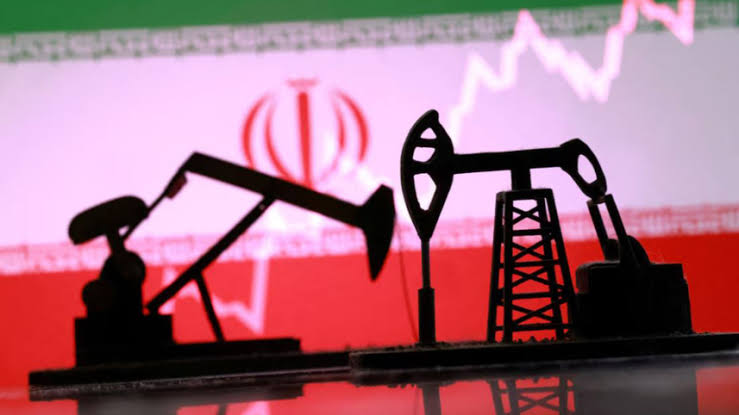
Countries directly affected by the Iran conflict collectively produced approximately 45 million barrels of oil per day in 2025, representing more than 43 per cent of worldwide supply, according to Reuters analysis of International Energy Agency (IEA) data. The scale of disruption has surpassed previous energy crises.
The situation has benefited the United States, boosting global dependence on American oil output, although extreme weather has occasionally interrupted U.S. supplies as well.
The current crisis began six months ago when U.S. and Israeli strikes on Iran sparked the largest oil supply disruption in history, with no resolution in sight.
Simultaneously, the Russia-Ukraine war has led to production and refining reductions, including cuts in Kazakhstan this year.
Additional pressure has come from ongoing instability in Libya and U.S. sanctions on Venezuelan oil exports imposed earlier in the year.
Not all of 2026’s supply interruptions occurred at once.
Analysts estimate that current Gulf disruptions amount to between 5 million and 7 million barrels per day, as Saudi Arabia diverts oil to the Red Sea and Gulf exporters move crude covertly through the Strait of Hormuz.
However, risks to overall flows remain elevated, highlighted by July attacks in the Red Sea and near Egypt’s Suez Canal.
The conflicts in the Gulf and Ukraine have also reduced global refining capacity by roughly 10 per cent.
Ukraine has struck key elements of Russia’s refining infrastructure, hitting facilities as distant as Omsk, some 2,700 km (1,680 miles) from Ukrainian-controlled areas.
Russia is facing fuel shortages and has prohibited gasoline and diesel exports, further tightening global fuel markets.
Rising fuel prices have become a major inflation driver, contributing to increased borrowing costs and helping push U.S. national debt to an unprecedented $40 trillion.
U.S. diesel prices have reached record highs even as refineries operate at maximum capacity.
The IEA has drawn down emergency stockpiles at record rates to mitigate the supply shock. These releases are now mostly exhausted, while global inventories continue to fall.