

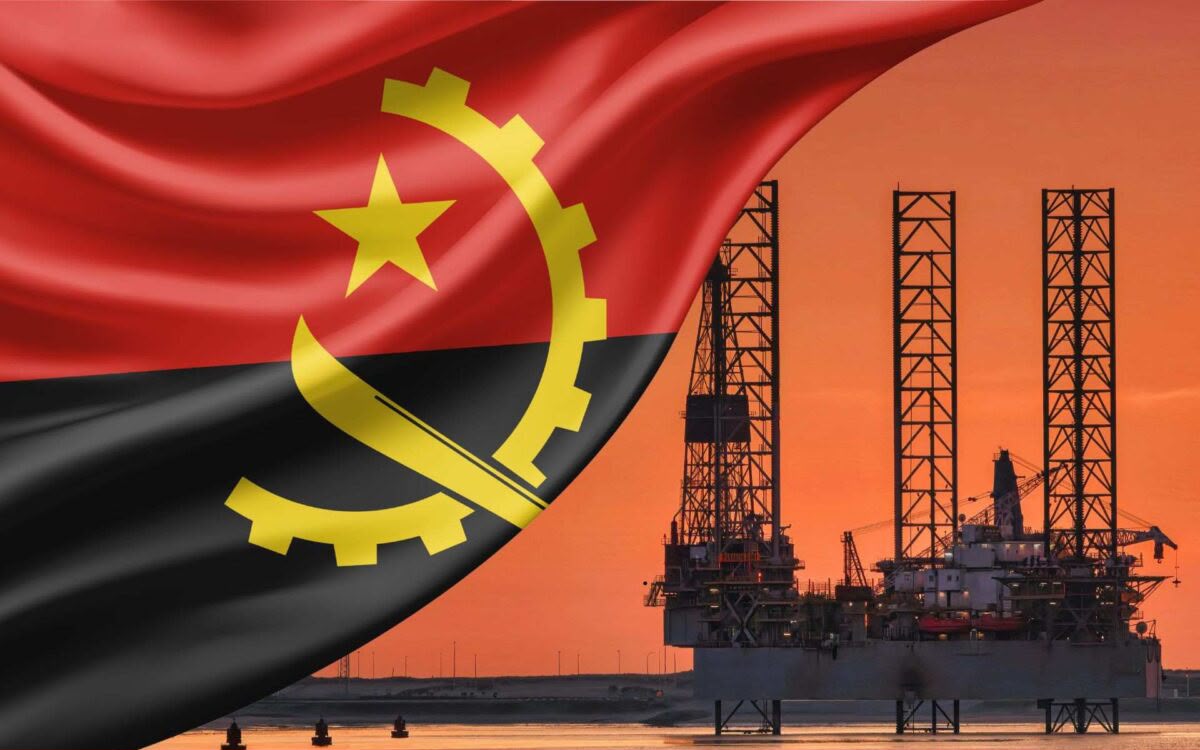
Angola is advancing a new wave of oil investment as improved fiscal conditions attract international companies and support the country’s efforts to reverse declining production from mature fields.
The country is targeting more exploration drilling, additional deepwater developments and the entry of new international operators into its upstream sector.
The National Oil, Gas and Biofuels Agency signed a series of agreements covering new acreage and additional investment during the Angola Oil and Gas 2026 conference in Luanda.
The agreements formed part of 11 deals announced at the event. They covered deepwater Blocks 19, 34 and 35, as well as Blocks 8 and 22, Block 33/24, Blocks 17/25 and 32/21, and additional investment in Block 32.
Other agreements are intended to support incremental production from Blocks 15 and 31 and finance Etu Energias’ expansion at Block 14.
The investment drive is part of Angola’s broader plan to rebuild its exploration pipeline and sustain crude-oil production. ANPG is targeting at least 10 exploration wells each year.
Shell, which signed three agreements during the conference, is planning to pursue further exploration opportunities in Angola.
Onshore exploration could also increase. Corcel is considering drilling an exploration well at KON-16 in the Kwanza Basin in mid-2027, following the completion of a 326-line-kilometre two-dimensional seismic survey.
Existing operators are also preparing to increase investment across their Angolan portfolios.
TotalEnergies said it and its partners planned to invest $10 billion over the next five years. The company also indicated that further development of the Dalia field could unlock up to 400 million barrels under Angola’s incremental-production framework.
Chevron is planning additional investment in Block 0 after the concession was extended to 2050.
Angola is also attracting interest from new international players. Indonesia’s Pertamina has outlined plans to seek an operatorship position in the country, while Panoro Energy is assessing opportunities in onshore and offshore assets, frontier exploration and mature-field developments.
The agreements and planned investments come as Angola seeks to attract new exploration capital, increase production from existing fields and bring additional resources into development.
The government hopes the renewed activity will strengthen production, generate revenue, create jobs and reinforce Angola’s position as one of Africa’s leading oil-producing countries.