

Nigeria’s more than 215 trillion cubic feet of proven gas reserves will not power homes, factories or industries without substantial investment in production and delivery infrastructure, Seplat Energy has said.
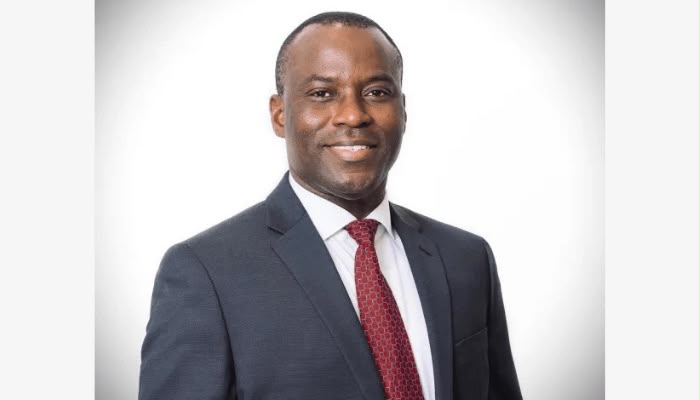
The company’s Chief Executive Officer, Effiong Okon, made the statement at the 2026 Gas Investment Forum in Lagos, themed “Positioning Nigeria as Africa’s Global Gas Powerhouse.”
Represented by Seplat’s Director of Gas and New Energy, Okechukwu Mba, Okon said the country could only unlock the value of its gas resources through sustained investment in production, processing, transportation and utilisation facilities.
He noted that energy poverty remained a serious challenge across Africa, with an estimated 600 million people in sub-Saharan Africa still without access to electricity.
“Gas reserves in the ground do not power homes or factories. Gas creates value only when it is produced and reliably delivered to consumers,” he said.
Okon urged stakeholders to focus on converting Nigeria’s gas reserves into economic growth, industrial development and reliable energy access for millions of people.
He commended the Federal Government for improving investment conditions in the gas sector, particularly efforts to settle legacy debts in the gas-to-power value chain.
According to him, resolving those debts would make gas projects more attractive to investors and improve the bankability of new developments.
He also welcomed recent final investment decisions on major energy projects and described the commencement of operations on the OB3 gas pipeline as a significant milestone for Nigeria’s gas industry.
Okon credited the Petroleum Industry Act with creating a more transparent and investor-friendly regulatory environment. He also acknowledged the roles of the Nigerian Midstream and Downstream Petroleum Regulatory Authority and the Midstream and Downstream Gas Infrastructure Fund in strengthening regulatory certainty and addressing infrastructure gaps.
Nigeria’s location in the Gulf of Guinea, he said, gives the country a strategic advantage in supplying regional and international markets, including Europe, while meeting rising demand for gas across Africa.
He outlined Seplat’s major gas infrastructure investments, including the 375 million standard cubic feet per day Oben Gas Plant, the 90 million standard cubic feet per day Sapele Gas Plant and the 300 million standard cubic feet per day ANOH Gas Plant.
Together, the facilities have made Seplat one of Nigeria’s leading domestic gas suppliers.
The company currently supplies gas directly to six power stations and several industrial customers through distribution networks. Gas from the ANOH plant is also supplied to fertiliser manufacturers, supporting Nigeria’s agricultural and food-security objectives.
Okon added that Seplat’s acquisition of ExxonMobil’s onshore and offshore assets had increased domestic supplies of butane and liquefied petroleum gas.
The company is also investing in compressed natural gas infrastructure to extend access to cleaner and more affordable energy for consumers and businesses that are not connected to gas pipelines.
On environmental performance, Okon said Seplat had ended routine gas flaring across its onshore operations by the end of 2025, significantly reducing its operational emissions intensity.
He urged the government, energy companies and financial institutions to collaborate on projects capable of turning gas resources into electricity and industrial growth.
“Nigerians cannot wait any longer. We must move from discussions to implementation,” he said.
The Gas Investment Forum brought together policymakers, regulators, investors and industry leaders to examine ways to accelerate gas development and strengthen Nigeria’s role in regional and global energy markets.