

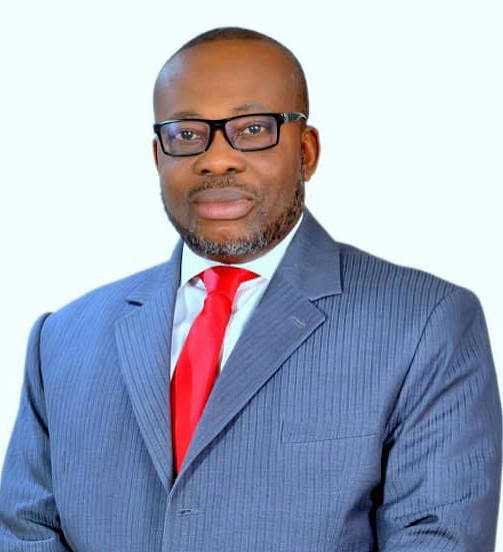
Legal practitioner and policy analyst Dr. M.O. Ubani, SAN, has said he would be willing to pay higher taxes in Nigeria if public revenue delivered a quality of life comparable to what he experienced in Denmark.
Reflecting on his visit to Copenhagen for the International Bar Association Annual Conference, Ubani said reliable transportation, well-maintained infrastructure and accessible public services reinforced his belief that taxation should produce visible benefits for citizens.
He stressed, however, that his position was not a call for Nigeria to impose tax rates of 50 or 60 per cent. Such a decision, he said, would be irresponsible without considering income levels, poverty, living costs, the large informal economy and the government’s capacity to deliver essential services.
“What I am advocating is a fundamental change in our understanding of taxation and governance,” Ubani said. “Taxation should not be regarded primarily as an instrument for extracting money from citizens. It should be a means of financing public prosperity, expanding opportunities and improving lives.”
Ubani described Copenhagen’s transport system as a striking feature of his visit, pointing to dedicated cycling infrastructure, reliable metro services and integration with other forms of transportation. He also highlighted the city’s cleanliness, orderly public spaces and sense of security.
He said these experiences contrasted with the difficulties many Nigerians face in accessing dependable electricity, safe roads, public transportation and essential services.
According to him, a country’s success should be measured not only by its natural resources or the wealth of a few citizens, but also by the dignity, security and opportunities available to its population.
Discussing Denmark’s relatively high-tax system, Ubani noted that some taxpayers could face marginal rates around or above 50 per cent, depending on income and applicable taxes. He said the more important consideration was what citizens received in return.
He pointed to publicly funded education, broad healthcare access, social protection and maintained infrastructure, while acknowledging that Denmark also faced challenges, including waiting lists and debates over public spending.
Ubani argued that citizens were more likely to accept taxation when they could see revenue reflected in functioning schools, hospitals, transportation and safer communities. Demands for additional taxes without corresponding public value, he said, would deepen frustration and distrust.
Before asking Nigerians to pay more, he urged the government to demonstrate transparent management of public funds, reduce waste, confront corruption and ensure expenditure produced measurable results.
“The Nigerian taxpayer must be able to ask not only how much money has been collected, but also what that money has accomplished,” he said.
Ubani cautioned that Nigeria could not simply replicate Nordic systems, whose achievements reflected decades of institution-building, economic development, public administration and social trust. Nevertheless, he said their experiences offered lessons in converting national resources into improved living standards.
He identified reliable electricity, affordable public transportation, accessible healthcare and quality education as priorities. He also called for safer pedestrian infrastructure, effective waste management and the removal of barriers facing persons with disabilities in public buildings and services.
Nigeria’s natural resources, human capital and entrepreneurial energy, he said, provided a foundation for progress, but their benefits would depend on sound policies, sustained investment and accountable institutions.
Ubani concluded that the central challenge was not merely to increase government revenue, but to ensure that public revenue translated into public prosperity through responsible leadership and a genuine commitment to citizens’ welfare.