

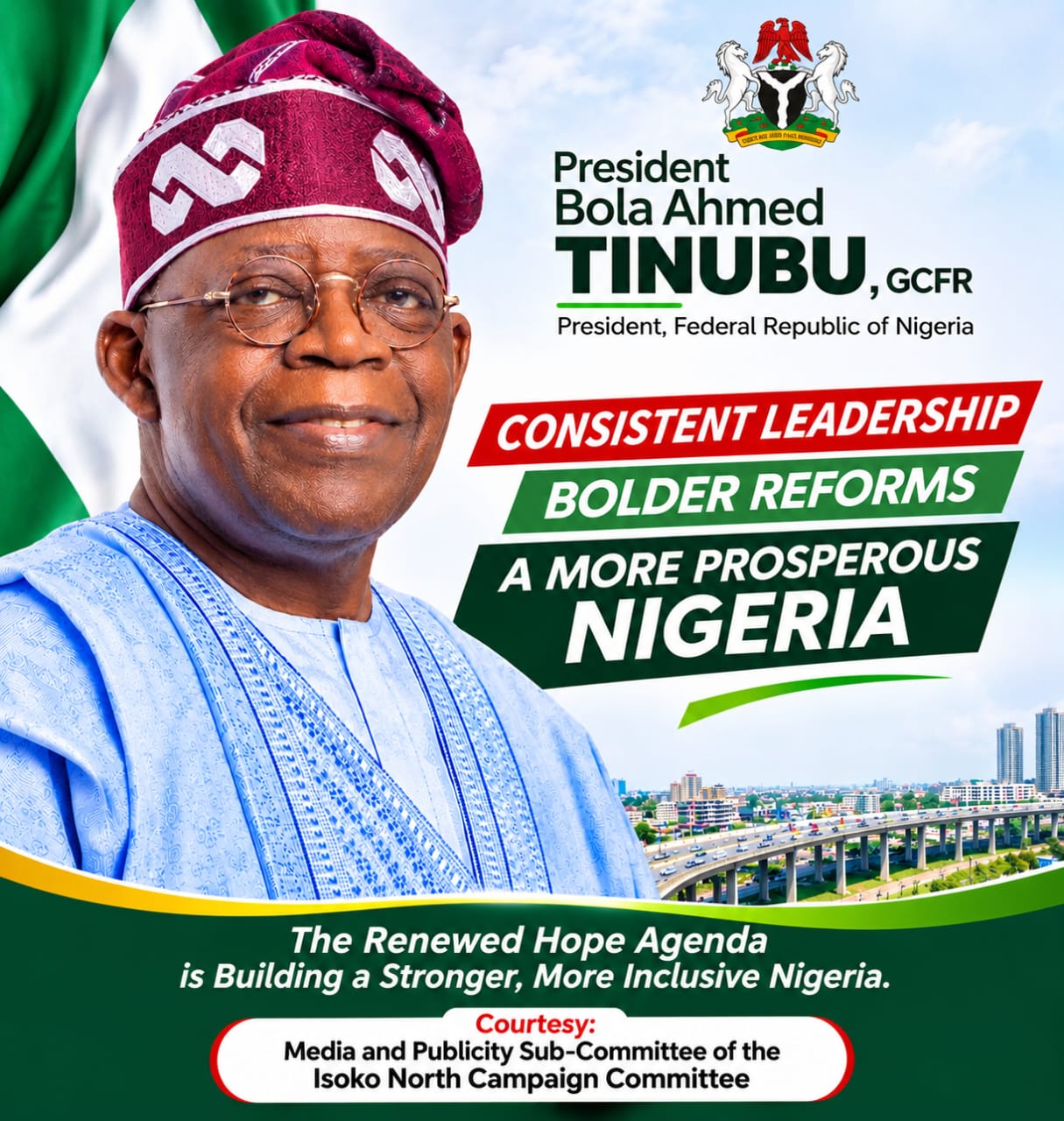
President Bola Ahmed Tinubu announced the removal of the petrol subsidy on May 29, 2023, Nigerians were unaware the decision would affect their daily lives.
The hardship was immediate and, for many households, remains a daily reality.
But the economic argument behind the reforms was that Nigeria could no longer sustain costly subsidies and a foreign exchange system that had created distortions, drained public resources and discouraged investment.
Petrol prices rose, transport became more expensive and the cost of food and other essentials increased. Businesses also faced higher operating costs, while the depreciation of the naira made imported goods and raw materials more expensive.
Three years on, the country has taken an honest look at what has changed, what has gone wrong and what needs to happen next.
The case for continuing the reforms should not rest on political loyalty.
It should rest on whether they are correcting long-standing weaknesses and creating the conditions for a stronger economy.
The latest figures from the National Bureau of Statistics offer some grounds for cautious optimism. In its Gross Domestic Product report for the second quarter of 2026, the NBS said the economy grew by 4.43 per cent year-on-year, compared with 4.23 per cent in the corresponding quarter of 2025. Growth also improved from 3.89 per cent in the first quarter of 2026.
That improvement matters. It suggests that economic activity is expanding, even as households and businesses continue to contend with high costs.
But growth figures alone do not tell the full story. Nigerians want to know whether that growth is creating jobs, improving incomes and making essential goods more affordable.
The inflation figures also show a measure of progress, although the pressure on household budgets remains substantial.
According to the NBS Consumer Price Index report, headline inflation eased to 14.63 per cent in September 2026, from 15.39 per cent in August. It was 20.98 per cent in September 2025.
The bureau also reported that food inflation stood at 19.59 per cent in September, compared with 19.57 per cent in August.
This is an important distinction: while headline inflation declined, food inflation edged up slightly on a year-on-year basis. Food remains a major concern for families, many of whom spend a large share of their income on feeding.
A lower inflation rate does not mean that prices have fallen to their former levels. It means that the pace at which prices are rising has slowed.
That distinction must be clearly understood. A family that has struggled to cope with expensive food, transport and rent will not feel much relief simply because the inflation rate has declined. Real improvement will come when incomes rise and the cost of essential goods becomes manageable.
The reforms to the foreign exchange market were intended to reduce distortions, improve transparency and attract investment. The transition came with a sharp depreciation of the naira and serious difficulties for import-dependent businesses and consumers. The government must continue to strengthen confidence in the market, encourage productive investment and ensure that access to foreign exchange supports genuine economic activity.
The removal of the petrol subsidy has also changed the way public resources are shared and managed. But the benefit will mean little to ordinary citizens if additional revenue is not reflected in better roads, functioning hospitals, improved schools, reliable public services and targeted support for vulnerable households. Federal, state and local governments must show clearly how public funds are being used.
There is also an opportunity in the growth of domestic refining capacity. Local refining can reduce dependence on imported petroleum products and support industrial activity.
But it will not, on its own, solve the country’s economic problems. Manufacturers still need reliable electricity, affordable credit, efficient transport networks and a predictable policy environment.
This is where the next phase of the reforms must be more deliberate. Government should focus on lowering the cost of doing business, supporting farmers, improving food distribution, expanding employment and helping small businesses survive and grow. Social protection must also reach the people most affected by the adjustment, rather than remain a promise on paper.
Policy continuity is important because investors and businesses need a measure of certainty to plan for the future. Frequent reversals can undermine confidence and discourage long-term investment. But continuity must not become an excuse to ignore hardship or defend policies that are not working as intended. Reforms should be reviewed when necessary, and government must be willing to correct mistakes.
As the country approaches the January 16, 2027 presidential election, the economy will rightly be central to public debate. Voters should examine the evidence, weigh the costs and benefits, and consider which direction offers the best prospects for Nigeria.
President Tinubu’s administration has a responsibility to show that the difficult decisions taken since 2023 can deliver tangible improvements in people’s lives. The NBS figures showing stronger GDP growth and a lower headline inflation rate provide grounds for cautious hope, but they are not a substitute for relief at the household level.
Ultimately, the success of the reforms will be judged not by government statements or economic statistics alone, but by whether Nigerians can afford food, find decent work, run viable businesses and provide for their families.
The country should not return casually to an economic arrangement that had become unsustainable. But neither should Nigerians be asked to endure hardship indefinitely without seeing clear results. The task now is to consolidate what is working, correct what is not and make economic recovery felt in homes and businesses across the country.
#RenewedHopeAgenda
#RenewedHope2.O
#IsokoNorthCampaignMedia
#IsokoNorthCampaignCouncil
#TinubusEconomicReforms
#Consolidate TheGains