

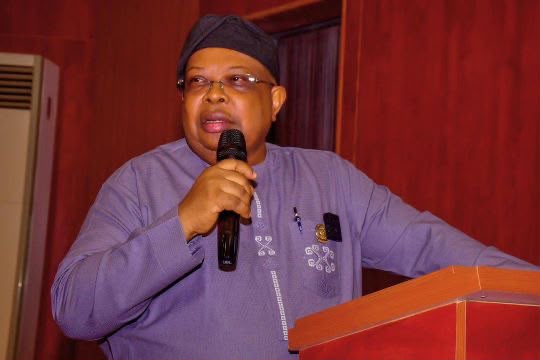
Minister of Power Joseph Tegbe has said the Productive Use of Energy agenda deserves urgent national attention because it sits at the centre of energy, agriculture, industrialisation, financial inclusion, climate resilience, food security, rural development and job creation.
Speaking at a workshop organised by the Rural Electrification Agency, Tegbe said Nigeria’s energy transition should not be seen simply as a matter of extending electricity to rural areas, but as a way of creating opportunity and prosperity. He said electricity becomes truly valuable when it powers productive activities that generate income and jobs.
He explained that the real test of rural electrification is not just the number of megawatts generated or households connected, but what people are able to do with the power. In his view, the key questions are whether farmers can irrigate more land, rice mills can process more efficiently, cold rooms can preserve food, cassava processors can reduce waste and rural entrepreneurs can build agro-processing businesses.
Tegbe said Nigeria’s large agricultural base makes the agenda especially important. He noted that the country still loses crops, income, jobs and competitiveness because of weak cold storage, limited processing capacity and the high cost of energy-intensive equipment in rural communities. He said Productive Use of Energy is designed to solve exactly those problems.
According to him, the business case is strong for all sides. Farmers benefit from lower operating costs and higher productivity, financial institutions gain bankable assets, manufacturers find a growing market, and government can boost employment, internally generated revenue, food security and rural economic development.
He urged participants at the workshop to keep the discussions practical, evidence-based and solution-driven. Tegbe said the outcome should help Nigeria position itself as Africa’s leading market for productive use of renewable energy in agriculture, with stronger partnerships between government, private sector players, financiers, farmers and development institutions.