

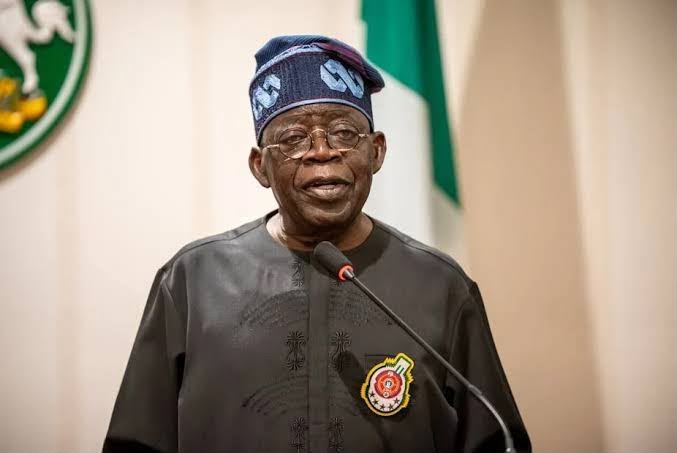
President Bola Ahmed Tinubu has welcomed Nigeria’s formal admission as the newest National Member Committee of the World Energy Council (WEC), describing the development as a major endorsement of the country’s energy reforms and its growing leadership role in Africa.
Nigeria’s membership gives the country a stronger platform within the WEC’s global network to contribute to discussions on energy security, affordability, equity and sustainability. The council brings together energy stakeholders from more than 100 countries.
The President congratulated the pioneer leadership of WEC Nigeria, led by Abdulrazaq Isa as Chairman and Bala Wunti as Chief Executive Officer. He also commended the inaugural board members drawn from the energy industry, regulatory institutions, business associations, finance, academia and the Future Energy Leaders community.
Tinubu described Isa as a leading Nigerian industrialist whose investments in indigenous refining and industrial energy had opened new opportunities for local enterprise. He also praised Wunti as an experienced energy strategist and reform advocate whose more than three decades of public service had contributed to improvements in national revenues and investor confidence.
According to the President, the combination of industry leaders, regulators, finance professionals and younger energy experts gives the Nigerian committee the balance, independence and credibility required to contribute effectively to global energy discussions.
“Nigeria has joined the World Energy Council to lead, not just participate, to ensure Africa’s voice shapes global energy decisions,” Tinubu said.
He pledged the Federal Government’s support for WEC Nigeria as an independent and technology-neutral platform for policy dialogue, investment mobilisation and innovation. The President said the government would work with WEC London and its international membership to promote secure, affordable and sustainable energy.
WEC said the Nigerian committee is designed to bring together government, industry, finance, academia, development partners and civil society to support evidence-based policymaking, strategic partnerships and sustainable energy development. Its priorities include improving energy security and access, advancing gas development, expanding electricity supply and attracting investment for the country’s energy transition.
Tinubu expressed confidence that the new leadership would use the opportunity to strengthen Nigeria’s influence in international energy policy and help mobilise the investment needed to advance the country’s energy sector.