

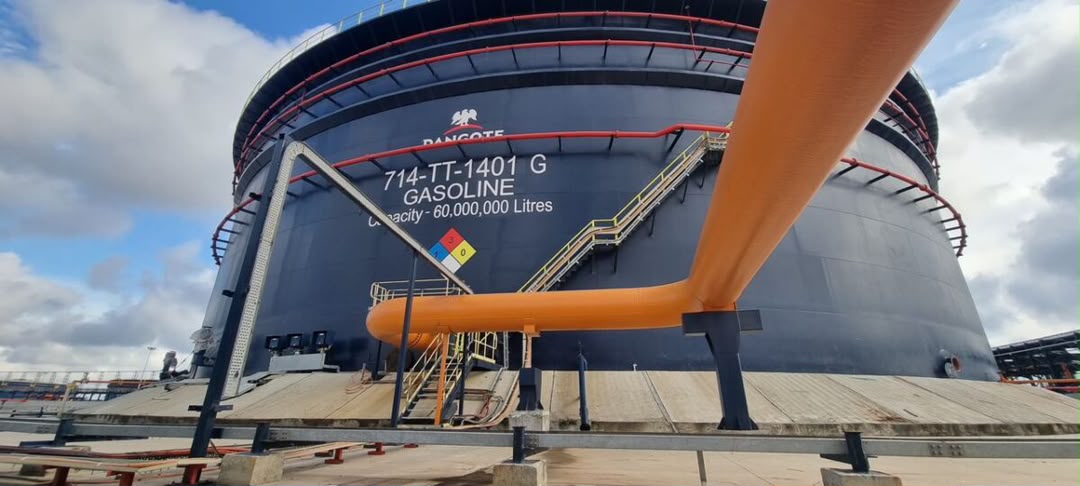
Dangote Refinery Extends Free Fuel Delivery Scheme to Four Additional States
Dangote Petroleum Refinery & Petrochemicals has rolled out an expanded free delivery programme for petroleum products, aimed at improving access to refined fuels in the domestic market and easing the financial burden on independent marketers.
The latest phase of the initiative covers Kano, Imo, Anambra and Nasarawa States, building on earlier deliveries to Lagos, Ogun, Rivers, Kaduna, Abuja and Delta. By taking on the cost of transporting products from the refinery to customers, the company is removing a major expense from the downstream supply chain, a move expected to support lower pump prices.
Fatima Aliko Dangote, Group Executive Director for Commercial Operations in Oil & Gas, WAEP and Fertiliser, said the scheme is intended to ensure that the advantages of local refining are passed on to businesses and end-users. She explained that absorbing delivery costs eliminates a significant distribution burden, allowing savings to filter through the value chain. The objective, she said, is to make fuel distribution more efficient, cut avoidable expenses and encourage more competitive retail pricing across Nigeria.
The Independent Petroleum Marketers Association of Nigeria (IPMAN) welcomed the move, saying it will ease financial and logistical pressures on independent marketers and help reduce prices for consumers. Chinedu Ukadike, the association’s National Publicity Secretary and Public Relations Officer, noted that marketers often tie up large sums in product purchases, only to face delays in loading and transportation.
Ukadike said the free delivery arrangement shortens the period marketers’ funds remain locked, improves cash flow and enables better capital deployment. He described the initiative as a major relief, adding that marketers are optimistic about improved returns on investment since their money will no longer be held up for days or weeks.
He also pointed out that transportation costs form part of the final price paid by consumers, so reducing these costs can directly influence pump prices. With products delivered closer to their destination, marketers face lower risks and can offer more competitive rates. Ukadike urged Dangote Refinery to extend the programme to more locations, especially in the north, to broaden access to affordable petroleum products.
The cost savings are particularly important for marketers operating in regions far from the refinery. Conventional distribution involves significant expenses for haulage, vehicle maintenance, driver wages, insurance and road-related risks. By covering delivery, Dangote is improving the economics of supplying distant markets and creating room for more competitive pricing.
The initiative also reduces operational risks linked to moving large volumes of fuel over long distances. Shortening the supply chain enhances reliability and efficiency in product distribution.
Ukadike described the development as a clear demonstration of the benefits of deregulation and competition in Nigeria’s downstream petroleum sector. The expansion comes as the market continues to adjust to increased domestic refining capacity and a more competitive environment.
With a refining capacity of 700,000 barrels per day, Dangote Refinery is steadily increasing its supply to the local market while also growing its international presence. The free delivery scheme adds another layer to its impact on the downstream sector by not only boosting supply but also lowering the cost of getting products to consumers.
For motorists and households, the implication is clear: as the cost of moving fuel through the supply chain declines, marketers have greater flexibility to reduce the prices consumers pay at the pump.